This Post kind of comes with a pressure that its been long that I posted something new.
As the title suggests this is my 18th Day at work. First thing everybody has been asking me,"So are you happy with your work?, satisfied?" As if everybody wants me to say a 'no' , so that ateast they find one person who has the guts to say the ultimate truth. But thats my take on it may be they don't at all mean this.
so finally how do I really feel working?
Yah its fine. I do enjoy working but I also do not enjoy it at times, like when I have to wake up alone at my hostel to finish my morning chores before going to office, when all my mates are snoring hard. I hate it when I for a long period of time do not get to see the beautifully lazy evenings at CIE, sitting on the tank with my friends. And so many other times.
So when do I like Work? I like it when my ever so sweet and accomodating Boss likes somethings I do. When my colleagues (only a few) make an effort to understand my world, though they do not agree with everything but for sure they do not dump it as trash. I also love it when I feel responsible and important.
But yah I hate it when I end up in mistakes and very recently I behaved very careless. But then that much happens with everyone.
What is my biggest concern, how long will I be able to sustain myself in this, without getting bored?
how long will I e able to survive with this uni dimensional life, where nothing else seems to exist but work?
how long will I be able to live without ACADEMICS?
and there all my hopes crash....can you hear them falling down..all dhadaaam ...dhuuuuuuuum
Lets see!
P.S-now I understand people like Mizfit, who ever so fervently post on blogs regularly. Sad to admit but this seems to be the only way out. (atleast to me right now)
Wednesday, May 24, 2006


Friday, May 12, 2006
this Is for All my Male Readers!
I Do sound as if I have ahuge fan following and I am some popular writer. But couldn't get a better title.
This Post is also for all those who are disgusted by the word "feminism".
This way I am also letting you deceide whether you want to read this or not...
This is a lilttle bit of information on about what feminism is not
1. Feminism to start with is not all/only about women out with lathis on the road, bashing up men at every opprtunity.
2. Feminism is also not exclusive of housewives and women who are introvert, non-modern rather traditional.
3. Feminism is also not only about women smoking and drinking.
4. Feminism is not just about "bra burning"
5. Feminism is not synonymous to not understanding things and making an issue out of it all the time.
6. Feminism is not inconsiderate.
and perhaps Feminism should not be a thing of the upper class/ caste women.
Feminism is a better way of living for women!
This and much much more human is feminism!
hope it helps all those who misunderstand it and me too.
Amen!
This Post is also for all those who are disgusted by the word "feminism".
This way I am also letting you deceide whether you want to read this or not...
This is a lilttle bit of information on about what feminism is not
1. Feminism to start with is not all/only about women out with lathis on the road, bashing up men at every opprtunity.
2. Feminism is also not exclusive of housewives and women who are introvert, non-modern rather traditional.
3. Feminism is also not only about women smoking and drinking.
4. Feminism is not just about "bra burning"
5. Feminism is not synonymous to not understanding things and making an issue out of it all the time.
6. Feminism is not inconsiderate.
and perhaps Feminism should not be a thing of the upper class/ caste women.
Feminism is a better way of living for women!
This and much much more human is feminism!
hope it helps all those who misunderstand it and me too.
Amen!
Thursday, May 04, 2006
On One fine Day When a Girl decides to Wear a Slightly Tight Red T- Shirt With A Slightly Low neck...
what follows then is nothing new but worth writing it down here.
so one fine sunny morning I choose to wear a tight, low neck red top...I take the mmts from begumpet to seetafalmandi...as fate has it I after no so much of a search get a seat just in front of a not so good looking guy/man. A adjust myself at the joy of not having missed the train and having got a seat. And what do i spot next...this gentle-man was gently staring at my breasts, which unlike on normal days were a bit prominent becoz of the lovely red top(so I thought). With slight discomfort I start staring back at the man, and this helps cause he shifts his stare somwhere else, which came back everynow and then to my red breasts, yet atleast some relief. Happy at my success i turn my face to the other side where another man has hoisted himself. Actually the whole compartment looked empty but this man chose the space right next to my seat and stood there.
now ask what the hell he can stand there atleast he wasn't staring...so I thought. But this man had a better position as from top my breasts had a better view...don forget i was wearing a low cut dress. I get back tomy defense and stare at him with disgust...helps again he turns his head away...i smile and find the other man staring at them once again...i stare back...n turn back...the other man was peeping...i stare back....he turns his head away...ufff...that was some turning and staring i tell you.
I franatically express my discomfort and disgust to other co-passengers (men mostly n women too) hoping for some rescue...
and what do I get...more hatefull glances...which clearly indicated that they all were cursing ....ME for wearing such a dress that invited men's attention...hah! poor me sit guiltly till seetafalmandi and jump out of the train. after a long sad and lonely walk which attracted some male attention i enter my campus and meet two of my friends at the gate...and guess what do they tell me...
hey woman looking wonderful in this RED TOP!!!!!!!!!!!!!!!!!!!!!!!!!!!
aaaaaaaaaaaah ! I lOVE THIS PLACE.
so one fine sunny morning I choose to wear a tight, low neck red top...I take the mmts from begumpet to seetafalmandi...as fate has it I after no so much of a search get a seat just in front of a not so good looking guy/man. A adjust myself at the joy of not having missed the train and having got a seat. And what do i spot next...this gentle-man was gently staring at my breasts, which unlike on normal days were a bit prominent becoz of the lovely red top(so I thought). With slight discomfort I start staring back at the man, and this helps cause he shifts his stare somwhere else, which came back everynow and then to my red breasts, yet atleast some relief. Happy at my success i turn my face to the other side where another man has hoisted himself. Actually the whole compartment looked empty but this man chose the space right next to my seat and stood there.
now ask what the hell he can stand there atleast he wasn't staring...so I thought. But this man had a better position as from top my breasts had a better view...don forget i was wearing a low cut dress. I get back tomy defense and stare at him with disgust...helps again he turns his head away...i smile and find the other man staring at them once again...i stare back...n turn back...the other man was peeping...i stare back....he turns his head away...ufff...that was some turning and staring i tell you.
I franatically express my discomfort and disgust to other co-passengers (men mostly n women too) hoping for some rescue...
and what do I get...more hatefull glances...which clearly indicated that they all were cursing ....ME for wearing such a dress that invited men's attention...hah! poor me sit guiltly till seetafalmandi and jump out of the train. after a long sad and lonely walk which attracted some male attention i enter my campus and meet two of my friends at the gate...and guess what do they tell me...
hey woman looking wonderful in this RED TOP!!!!!!!!!!!!!!!!!!!!!!!!!!!
aaaaaaaaaaaah ! I lOVE THIS PLACE.
Saturday, April 29, 2006
My SOS !
 its been a long time that I planned to make this post, and recent sad events finally pushed me to finally write this.
Though I do not need to introduce him, still he is one of the most wonderful and pretty person one comes across in CIEFl. I know many will disagree, but this post is supposed to be a personal post, so who cares.
As I have already mentioned a speck of what Premankur is to me in my last post, and now there is this whole post only for him.
I began with kindda disliking him. And now I am so in love with him. I have no idea how I began valuing him so much. Its amazing the way I end up going to him whenever i am hurt or upset about something, ever since my first semester here. And he was always there to listen to my at times non-sensical complains. Even today its him I go to whenever I feel low. Somehow he seems to have some medicine for all my problems. And having spoken to him I always come back satisfied, with a better sense of my problems.
Actually I didn't want to say all this prem, I just wanted to say thanks and that I love you so so so much. Thanks for being there sweetheart.
Now is it this parting getting on to me. But we will be together won we?
Now did I embarass you?
Wednesday, April 26, 2006
ok finally i get back to this page!!!!!!!!
its been hectic all this while. with so much work and all, not that everything is done with, two of my german exam still remain.
that apart, its been a time of departure...
today one of our batch mates left, not that i was really friends with him or something, but his going somehow reminded me of so many goodbyes that will come along with this coming month...
it will so painful i feel, but just the next moment i feel that won matter much to me i will be here anyways...
but no more arun to wait for, no more prem's room for a break when i am tiered of my own room or when i am bugged with the male friends around n their stupid behaviour, no more of my going religiously to abhijit's room. no more of those post classroom addas on the tank...nothing of it...
n when we come back to this place it will be like strangers I know. Sigh!!!!!!!!!!!!!
that apart, its been a time of departure...
today one of our batch mates left, not that i was really friends with him or something, but his going somehow reminded me of so many goodbyes that will come along with this coming month...
it will so painful i feel, but just the next moment i feel that won matter much to me i will be here anyways...
but no more arun to wait for, no more prem's room for a break when i am tiered of my own room or when i am bugged with the male friends around n their stupid behaviour, no more of my going religiously to abhijit's room. no more of those post classroom addas on the tank...nothing of it...
n when we come back to this place it will be like strangers I know. Sigh!!!!!!!!!!!!!
Wednesday, April 12, 2006
Friday, April 07, 2006
in my failed attempts I once again succumb to something that threatens and yet glares at my face!
When I was born, they looked at me and said: 'What a good boy, what a smart boy, what a strong boy!' And when you were born, they looked at you and said: 'What a sweet girl, what a beautiful girl, what a pretty girl!'"
"What A Good Boy," The Barenaked Ladies.
. What remains my concern in this paper is to try to figure out the ways in which these magazines in the process of constructing a stereotypical masculine identity, continue to relegate women to the background and, in doing so, are examples of social backlash directed against specific gains made by women in the paid labor force, mass media industries and other professions. It is true that it is no coincidence that as women are achieving greater social, political and professional equality, these magazines symbolically relegate them to subordinate positions as sex objects and objects of recreation for men. And it is also true when we often complain that the pressure put on women through ads, television, film and new media to be sexually attractive—and sexually active—is profound, more perhaps today than on any other times. Is it then to say that women who have now begun realizing their potential, which for long had been suppressed, are threatening the long and well preserved superior subject positions occupied by men? This is however not to say that Men’s magazines deliberately and visibly try to undermine the gains made by women, yet to suggest that the way in which a woman appears in these magazines through there articles and their advertisements is such that the only aspect of her that can be highlighted is nothing but her body and her intelligence is often made fun of. There are recurrent articles in Man’s World about how 10 famous men in
and most importantly, how they handle women etc.
What is interesting however in these magazines is that they take women to be this object available to be seduced by good looks and manners of men. The tone of the magazine especially in its ‘Dr. Know’ (a section that deals with the problems the readers ask) is such that it relegates women to this inferior objectified level. The tone in this section is always filled with sarcasm with this assumed cool attitude towards life, and a kind of rhetoric that is filled with wit and humour which never answers questions in a serious, responsible direct way.Whereas in a women’s magazine the problems whatever it may be is invariably dealt with more seriousness and concern even when the question is from a man. What can be the reason for such a wide difference in the treatment of almost the same issues? Here comes the question of stereotypes as in why do the men’s magazines mostly have this kind of a comic approach to questions relating to the private realm? Has it something to do with the fact of creating stereotypical identities of masculinity and feminity which exist in society – to say a silly, emotional, infantile female who needs to discuss such matter of fact things as against a more mature man who does not need such advices.Just have randomly selected few paragraphs of my paper on 'stereotypes in magazines'. there is much more that i want to think about the same, but i will it here abruptly.
Friday, March 31, 2006
ok this is dedicated to the new art of CCp'ying that i recently learnt.
bunny: wat were u doing/
Arunlekha Sengupta: lenguptaooking at cartoons
bunny: k
Arunlekha Sengupta: will also do a pp presentation i think
bunny: me too at magazines
Arunlekha Sengupta: so we will need a projector on thursday
Arunlekha Sengupta: should tell rekha
bunny: yah
bunny: i think m slowly catching up with ur talents of ccpy'ing
Arunlekha Sengupta: GOOD DTUFF
Arunlekha Sengupta: HAPPY TO HAVE INSPIRED YOU
bunny: (there was a smiley here don know why it didn't come here)
bunny: yah sure
bunny: all bows to the Goddess of CCp who finally showered her blessings on me
bunny:
Arunlekha Sengupta: hmmmmm
Arunlekha Sengupta: may you not have to use even a word of your own
bunny: i have succeeded in cpying 1 page
bunny: with your blessings i tread on this path
Arunlekha Sengupta:
Arunlekha Sengupta: aashirwaad
p.s- so this what we do, we chat with each other, we meet n so talk again, we write scraps each other in orkut so we end up talking again, we comment on each others blogs so cannot avoid entering a discussion again, we at times fight for each other in other people's blogs, and at times like these we end up posting our conversations also....now do we bore anybody???????
Arunlekha Sengupta: lenguptaooking at cartoons
bunny: k
Arunlekha Sengupta: will also do a pp presentation i think
bunny: me too at magazines
Arunlekha Sengupta: so we will need a projector on thursday
Arunlekha Sengupta: should tell rekha
bunny: yah
bunny: i think m slowly catching up with ur talents of ccpy'ing
Arunlekha Sengupta: GOOD DTUFF
Arunlekha Sengupta: HAPPY TO HAVE INSPIRED YOU
bunny: (there was a smiley here don know why it didn't come here)
bunny: yah sure
bunny: all bows to the Goddess of CCp who finally showered her blessings on me
bunny:
Arunlekha Sengupta: hmmmmm
Arunlekha Sengupta: may you not have to use even a word of your own
bunny: i have succeeded in cpying 1 page
bunny: with your blessings i tread on this path
Arunlekha Sengupta:
Arunlekha Sengupta: aashirwaad
p.s- so this what we do, we chat with each other, we meet n so talk again, we write scraps each other in orkut so we end up talking again, we comment on each others blogs so cannot avoid entering a discussion again, we at times fight for each other in other people's blogs, and at times like these we end up posting our conversations also....now do we bore anybody???????
It's a real, real, real Bad Poem and i choose to write it in RED!
i
am
a girl
who wears a pearl
who-
imagines her life to be in a swirl.
my
mother
is a woman
she is not a demon
yet-
she insists on guarding my hymen.
my
father
is a man
who eats from the pan
and-
helps my mother execute the ban.
now is it not baaaaaaaaaaad?
sorry UG couldn't resist posting it, and with you pestering me for new posts :(
am
a girl
who wears a pearl
who-
imagines her life to be in a swirl.
my
mother
is a woman
she is not a demon
yet-
she insists on guarding my hymen.
my
father
is a man
who eats from the pan
and-
helps my mother execute the ban.
now is it not baaaaaaaaaaad?
sorry UG couldn't resist posting it, and with you pestering me for new posts :(
Wednesday, March 22, 2006
it's been nothing for long so here itis...
the God
of crossroads
understands
the games we play
stiching the lanes
like rivers
till it reaches
the old man
who paints them
in the love of
black women
singing songs
and dancing
the primitive dance
on age old
rythms
rythms of the
ancient drums...
the hindi will go something like this
chauraste(crossroads) ka ishwar
boojhta
har khel
jo galiyan khelti
mod par baithe budhe ke sath
wah,
jo rachta
pura shahar
jahan
kali auratein
gati sohar ke geet (songs sung during n after the birth of a child)
mridang ki dhaak(rythm) par
aur nachti
prem mein mugdh
bihad nach...
of crossroads
understands
the games we play
stiching the lanes
like rivers
till it reaches
the old man
who paints them
in the love of
black women
singing songs
and dancing
the primitive dance
on age old
rythms
rythms of the
ancient drums...
the hindi will go something like this
chauraste(crossroads) ka ishwar
boojhta
har khel
jo galiyan khelti
mod par baithe budhe ke sath
wah,
jo rachta
pura shahar
jahan
kali auratein
gati sohar ke geet (songs sung during n after the birth of a child)
mridang ki dhaak(rythm) par
aur nachti
prem mein mugdh
bihad nach...
Friday, March 17, 2006
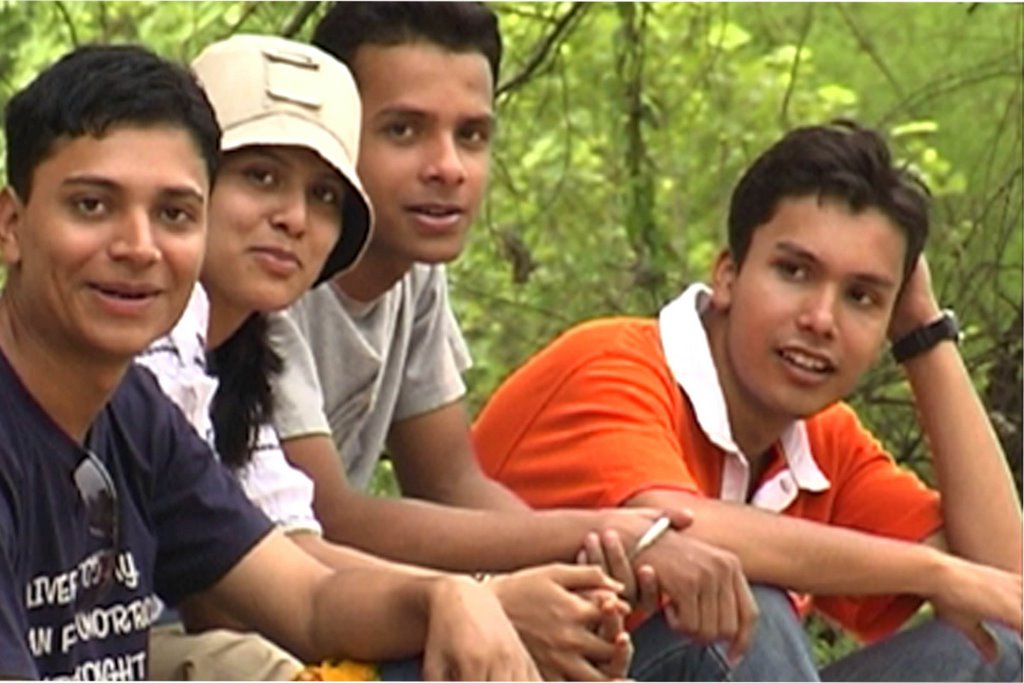
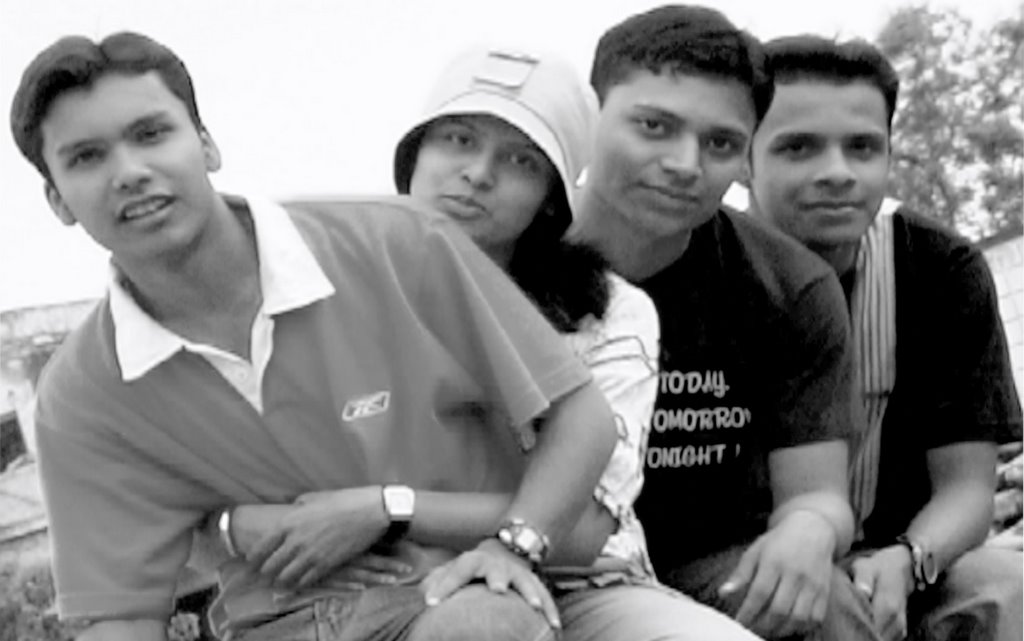
Games we play!!!
The vanity sometimes comes through, and then the long cherished, nurtured façade is over. All that can be seen is barely the minimum, all the animal instincts resurface, and you are left cursing all that broke the façade.
All that you loved seems to be a game that u played all along to keep up the pretence. All that was beautiful within takes an ugly deformed shape, and when you look at it, your filthy face stares at you from beneath that piece of rotten shit.
Wonder was that this that you so long protected and held on to…was it really this. The shock slowly melts away into oblivion and once again the façade emerges, this time only more glamorous. And yet again the games we played all along begins. Just that you don’t know when it will show the ugliness within…
wonder why I wrote this at all?
Monday, March 13, 2006
Missing my Dad.
so what do I do if I am missing Papa, Ok I will write a few lines of his poem that I remember...
Neend aur nashe ke beech
kahin ek patli si gali hai
jahan
apni mutthi bhar neend
aur
chutki bhar aaram
ki khatir
mein chup chap pada rehta hun
(after this I don remember so I will continue...)
door kamron se awaaj sunte
ma akele niptati hai
sansarik pareshaniya
wah janti hai
mein aana chata hun
aur isliye nibhati hai
wah sab jo hame sath karna tay tha
mein apne ghosle mein chahta hun
uska sahas
aur uska hona
meri zindagi mein...
I guess Dad won't object to this. Amazing how much I know him, that I can even write the way he would have written. Miss you.
and I will not translate it now, cause its for me and for him that I wrote this.
Neend aur nashe ke beech
kahin ek patli si gali hai
jahan
apni mutthi bhar neend
aur
chutki bhar aaram
ki khatir
mein chup chap pada rehta hun
(after this I don remember so I will continue...)
door kamron se awaaj sunte
ma akele niptati hai
sansarik pareshaniya
wah janti hai
mein aana chata hun
aur isliye nibhati hai
wah sab jo hame sath karna tay tha
mein apne ghosle mein chahta hun
uska sahas
aur uska hona
meri zindagi mein...
I guess Dad won't object to this. Amazing how much I know him, that I can even write the way he would have written. Miss you.
and I will not translate it now, cause its for me and for him that I wrote this.
Friday, March 10, 2006
its rains and destiny for me...
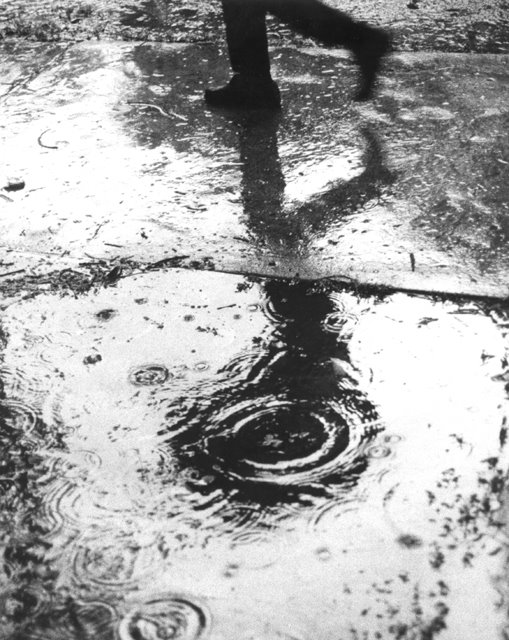
barish ki us shaam
jab chataa pakde
wah ladki
kar rahi hai par sadak
tab us samay
mein bhool rahi hun
apna paitrik ghar
yaad karte hue use
jahan
chote chote ghadon mein
chote chote dukhon ki tarah
bhar gaya hai pani...
ok sorry to all those who cannot read it, but I couldn't just resist writing it.ok will try translating it
in that rainy evening
when I see this girl
crossing the road
with an umbrella
I think
of my ancestral home
where
small sorrows
get collected
in small (earthen) pots
like drops of rain water...
now those who understand both the languages, is it close enough?
Tuesday, March 07, 2006
doesn't take time to be happy again!
humm, I realize its a good world after all, with so many good people around. Take for instance yesterday, I was waking alone in this Hyderabad heat, where the sun sits just over your head, just after having visited to the two most incoregeble institutions of the state, the bank and the post office and thier having done enough to irritate me. So poor me walking all the way from arts college building to ciefl, and none of the auto walas agreeing to take me there, there was this one auto wala who stopped and aske me where did I want to go and very apologitically I said,
"bhaiya yahan pas mein hi" (just near by), and the good suol agreed to drop me till the campus,
the best part of the story is since it was a very short distance when I asked him for how much I needed to pay him, he said,
"rehne do amma" (let it be)
wasn't that really really good on his part.
and I was so happy since just before I was feeling miserable for what all had happened in the past few days.
"bhaiya yahan pas mein hi" (just near by), and the good suol agreed to drop me till the campus,
the best part of the story is since it was a very short distance when I asked him for how much I needed to pay him, he said,
"rehne do amma" (let it be)
wasn't that really really good on his part.
and I was so happy since just before I was feeling miserable for what all had happened in the past few days.
Sunday, March 05, 2006
Disappointment and Disillusionment....
this is what has been the result of two days.
I am scared to write and express, because everywhere people seem to be misunderstanding or perhaps wanting to misuderstand.
personal disappointment apart.
'power' I guess is the crucial element. Is it human nature to misuse it. Though Levis Strauss(hope ve spelt it correctly) in his thesis of nurturing and celebrating the natural instincts talks about in his study of south african communities and how the influence of the west ruins their community by introducing the concept of 'rule' and 'power', yet does he not realize that it existe all along, ever since communities existed? Funny that he does not see the whole system of one person heading the community, the king as such in itself excersices dominance of one over the other. how does he explain the system of a son taking after the father king, is it not a fear of losing 'power' that initiates such a rule.
guess I am incoherent. Why not...
hey l>t call this the author is wasted and I promise I will not argue...
I am scared to write and express, because everywhere people seem to be misunderstanding or perhaps wanting to misuderstand.
personal disappointment apart.
'power' I guess is the crucial element. Is it human nature to misuse it. Though Levis Strauss(hope ve spelt it correctly) in his thesis of nurturing and celebrating the natural instincts talks about in his study of south african communities and how the influence of the west ruins their community by introducing the concept of 'rule' and 'power', yet does he not realize that it existe all along, ever since communities existed? Funny that he does not see the whole system of one person heading the community, the king as such in itself excersices dominance of one over the other. how does he explain the system of a son taking after the father king, is it not a fear of losing 'power' that initiates such a rule.
guess I am incoherent. Why not...
hey l>t call this the author is wasted and I promise I will not argue...
Wednesday, March 01, 2006
my reading of Derrida's Right to Philosophy...
In the very beginning I would like to define the term philosophy, because it is one of the terms around which the argument revolves through out the essay. The term philosophy derives from a combination of the Greek words ‘philos’ meaning love and ‘sophia’ meaning wisdom, therefore the word comes to mean ‘love for wisdom’. According to the Oxford English Dictionary, the original meaning of the word encompasses all kinds of knowledge. Over time, however it gained the more specialized meaning of knowledge of the world, as contrasted with knowledge of the divine. For example, science was originally called "natural philosophy". Today, the word refers to the study of ultimate reality and the most general causes and principles of reality. Philosophy in the present context of Eurocentric definitions begins where the universal is comprehended as the all-embracing existence, or where the existent is laid hold of in a universal form, and where thinking about thought first commences.
And we clearly see from its definitions that it certainly did not begin in the East, because in the Eastern philosophy, definitely Mind indeed begins to dawn, but it is still true of it that the subject is not presented as a person as something absolutely concrete, but appears in the objectively substantial, which is represented as partly super-sensuous and partly, and even more, material, which is seen as negative. The conclusion to be derived from this is that no philosophic knowledge can be found here. To Philosophy belongs the knowledge of Substance, the knowledge absolute the Universal. The Eastern form must and has been therefore excluded from the History of Philosophy.
-One, is that of the right to philosophy, and the space, the platform where it can be discussed.
-Two, he asks philosophers to not take it for granted rather question the a priori philosophical mode of being of the institutes like the UNESCO. It is important to question the reasons for the existence of such institutes. He of course cites the reason Kant gives for the set up of these institutions of peace, yet he has his own reservations in accepting it.
-Three he refutes Kant’s notion of a universal, which Kant says after much struggle becomes a fact. For him the element of Universal is a problem in History and Philosophy.
“…Nature makes use of a detour of violence and of primitive, thus natural, unsociability in order to aid reason and thereby put philosophy into operation through the society of nations…”
Derrida explains and extends Kant’s notion of the ‘novel’ in philosophy, as something which does not agree/ accept the universality in philosophy, but Derrida rather suggests that this hope for a universal history/ philosophy is infact like a novel. Because this universalization brings in with itself elements of fiction, as it is nothing other than a gross assumption on behalf of the nations who had not been able to voice themselves.
Derrida then goes on to explain how realizing this danger, of philosophy turning to literature, Kant resorts to idealize the European philosophy and history, holding on to the thread of European history of reason and the Greco-Roman history of history. Derrida all this while argues for a Cosmo-political space for philosophy, but Kant’s resolution of the matter only fixes this Cosmo-political space in the hegemony of
Towards the end of the essay he makes certain arguments for the various problems that need to be encountered in order to develop the Cosmo-political point of view to the right to philosophy. The three main hindrances that need to be tackled are related to the hegemony created by the existing models of philosophy. For him it is necessary to first take into account the various philosophies arising out of various nations. It also becomes important for one to take into account the two given models of
Extending the argument further he says, that with the superlative models already available there is a dominance of the respective languages that has come to set in with them, and it is necessary for one to surpass this barrier and the authority language has come to achieve in the discipline of philosophy. Because philosophy cannot be restricted to the structures of language. But the very fact becomes important that with different idioms in play one gets open to different ideas.
And lastly he appeals for institutionalizing all possible philosophies, blurring the edges of nation, language, style etc. because ultimately it is through education and institutions that there is acceptance of things that are new and important. One needs to validate and accept the Eastern philosophies with it having equal heritage.
Derrida claims that what is happening at the present times is an attempt at deconstruction of the existing hegemony, and only with this can there be an emergence of the Cosmo-political philosophy which speaks also in non-European languages. As he says,
“…Not only are there other ways of philosophy, but philosophy, if there is any such thing, is the other way.”
It is true that philosophy cannot be explained tracing it back to anyone origin or memory, one in order to have a Cosmo-political platform for Philosophy, which is the need of the time, needs to amalgamate all the philosophies, only then is there any possible justice to the discipline of Philosophy as such, only then one can begin to create a platform that is available for a discussion of ‘The Right to Philosophy.’
Tuesday, February 28, 2006

Friday, February 24, 2006
this is for Big Mouth!
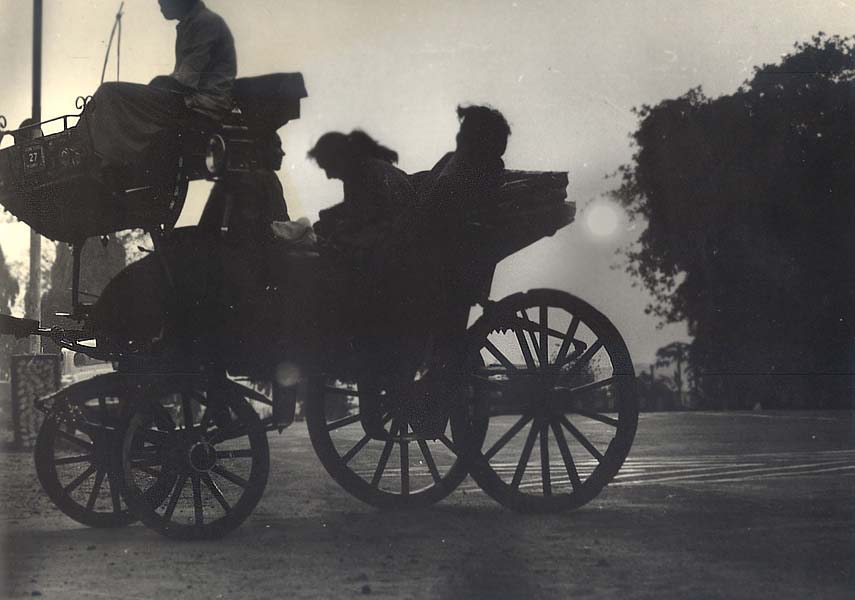 this what atleast I feel is your 'desh'.
It is a picture from your city. Don't know why I am so much in love with it.
anyways just to make you feel at home, or may be to make you more nostalgic...
do I really want to say something?
guess not. But then it's 1.30 am and I am still stuck with just half a page of my stupid assignment. Derrida (do i sound like i am name thorwing?) definetly is complex, one almost needs to read him 500 times before even beginning to make sense of his grammar and language, leave only his arguments, which follow. Though you might be able to catch hold of the basic argument but the various strands of his thought just elludes. With his one sentence almost ending in the middle of the page, one just thinks its never going to end, and there at the far right hand corner of the page you see a what? OH! my God it is a full stop! WoW! The treat is over people,because either you have completly forgotten what you had read, or if at all you have a memory enough to remember his jargon filled sentence, there is yet another longer sentence this time asking your patience and reading. I won't be cruel enough to ask for your comprehension because this something while reading Jacques Derrida becomes the marginal, hardly ever thought of.
guess this will make me going for now.
P.S. this is not true for his deconstruction essays though.All thanks to my Prof. or to the beginners guide to derrida I beleive.
guess this will make me going for now.
P.S. this is not true for his deconstruction essays though.All thanks to my Prof. or to the beginners guide to derrida I beleive.
Subscribe to:
Posts (Atom)